
Leadership is no longer a trait reserved for a few. It is a core life skill that shapes how young people think, act, and influence the world around them. Schools play a central role in developing this skill early, creating environments where students gradually learn responsibility, communication, and decision-making.
Within modern education systems, leadership is not treated as a separate subject. Instead, it is embedded into academic structures, social interactions, and extracurricular experiences. When done effectively, schools become the first real-world training ground for future leaders.
At institutions like Royal Crown Group of Schools, leadership development is seen as part of overall student growth, not an optional extra.
Leadership Begins with Responsibility in Daily School Life
One of the most effective ways schools build leadership skills in students is by giving them responsibility. This starts with small, consistent expectations such as managing assignments, participating in group tasks, and taking ownership of personal learning outcomes.
Over time, students begin to understand accountability. They learn that actions have consequences, and reliability becomes a habit rather than a forced behavior.
When responsibility is reinforced consistently, students naturally develop discipline. Discipline is one of the strongest foundations of leadership because it teaches control, focus, and commitment.
Classroom Environment as a Leadership Training Ground
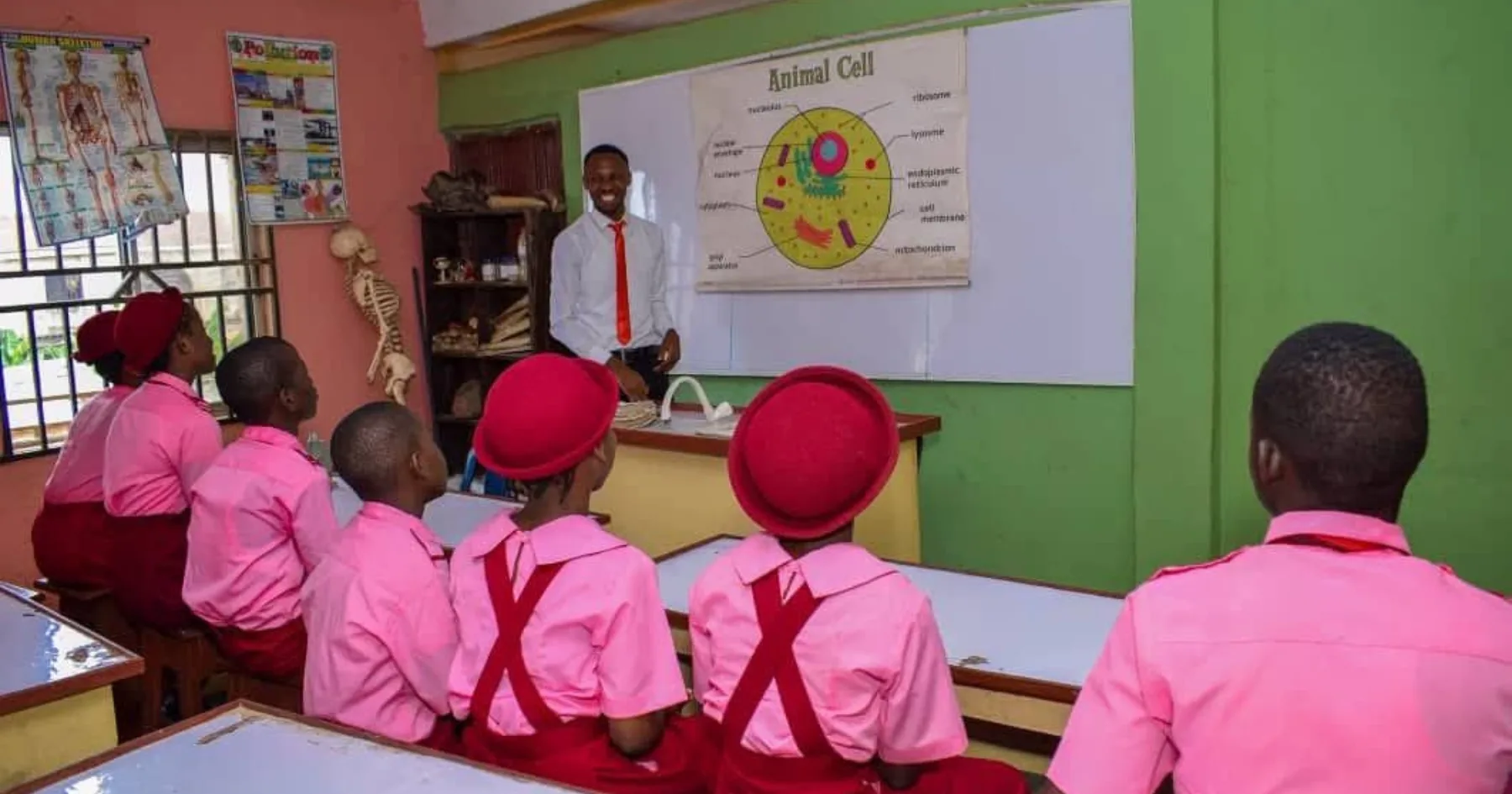
The classroom is more than a place for academic instruction. It is a structured environment where leadership behaviors are constantly tested and refined.
Group assignments encourage collaboration and communication. Students learn how to listen, express ideas clearly, and respect differing opinions. These interactions build emotional intelligence, which is essential for leadership in real-world situations.
Teachers also play a key role by assigning roles within group work. When students rotate responsibilities such as group leader, presenter, or researcher, they gain exposure to different leadership styles and responsibilities.
Extracurricular Activities Shape Confident Leaders
Extracurricular activities are one of the strongest tools schools use to develop leadership skills. Sports, debates, music, drama, and clubs provide real-life scenarios where students must take initiative.
In sports, leadership often appears through teamwork and strategy. Students learn how to motivate others, handle pressure, and make quick decisions. In debates, they learn persuasive communication and structured thinking.
These experiences help students build confidence in their abilities. Confidence is not just self-belief; it is the ability to act decisively even under uncertainty.
Student Leadership Roles Build Real Accountability
Many schools introduce formal leadership roles such as class representatives, prefects, and club leaders. These positions give students structured responsibility within the school system.
These roles teach more than authority. They teach service. Students learn that leadership is about supporting others, not dominating them.
Handling responsibilities such as organizing activities, representing peers, and maintaining discipline helps students understand real-world accountability. It also teaches them how to balance authority with empathy.
Communication Skills as a Leadership Foundation
Effective leadership depends heavily on communication. Schools help students develop this skill through presentations, group discussions, storytelling, and public speaking activities.
When students learn to express themselves clearly, they become more confident in sharing ideas. They also become better listeners, which is equally important in leadership.
Strong communication reduces misunderstandings and builds trust. These are essential traits for anyone expected to lead teams or communities in the future.
Academic Challenges Encourage Problem-Solving Leadership
Academic work is not just about memorization. It also encourages problem-solving, analysis, and critical thinking. These cognitive skills are directly linked to leadership ability.
When students are faced with challenging tasks, they learn persistence. They also learn how to break down complex problems into manageable parts.
This process trains the mind to think strategically. Leaders are often required to make decisions based on incomplete information, and academic challenges prepare students for that reality.
Peer Interaction Builds Emotional Intelligence
Leadership is not only intellectual. It is deeply emotional. Schools provide constant social interaction that helps students understand human behavior.
Through friendships, teamwork, and conflict resolution, students learn empathy and patience. They begin to understand how their actions affect others.
This emotional awareness is crucial in leadership roles, where decisions often impact groups of people. Students who develop empathy early are more likely to become balanced and fair leaders later in life.
School Culture Shapes Leadership Mindset
A school’s culture plays a powerful role in shaping leadership skills. When a school promotes discipline, respect, and excellence, students absorb those values naturally.
Positive reinforcement, recognition systems, and a supportive environment encourage students to take initiative. When students feel valued, they are more willing to contribute actively.
Schools like Royal Crown Group of Schools emphasize holistic development, ensuring that leadership is not forced but nurtured through environment and experience.
Events and Competitions Build Real-World Confidence
School events such as cultural days, career days, and competitions provide students with platforms to showcase leadership in action.
Organizing or participating in such events requires planning, teamwork, and execution. Students learn how to manage time, delegate tasks, and handle pressure.
Competitions also introduce healthy competition, which teaches resilience. Leaders must often operate in competitive environments, and school events simulate that reality in a safe space.
Teachers as Leadership Role Models
Teachers are often the first leadership figures students interact with daily. Their behavior, communication style, and decision-making influence how students understand leadership.
When teachers demonstrate fairness, consistency, and encouragement, students learn to mirror those behaviors. Leadership development is therefore not only structured but also observational.
A strong teacher-student relationship creates trust, which is essential for students to take risks and grow into leadership roles.
Leadership Development Beyond the Classroom
True leadership training extends beyond academic settings. Schools encourage community engagement, volunteering, and group projects that expose students to broader societal responsibilities.
These experiences help students understand the impact of leadership beyond personal success. They begin to see how leadership can contribute to community development and positive change.
This broader perspective is essential for developing responsible global citizens.
Long-Term Impact of Leadership Development in Schools
When schools intentionally build leadership skills, the impact extends far beyond graduation. Students grow into adults who are more confident, responsible, and adaptable.
They perform better in higher education, workplace environments, and personal relationships. Leadership training in school often becomes the foundation for career success and life direction.
It also helps reduce dependency and increases initiative, which are key traits in a rapidly changing world.
Final Thoughts: Building Leaders for the Future
Leadership is not taught in a single lesson. It is built gradually through consistent exposure, responsibility, and guided experience. Schools that prioritize leadership development are investing in the future of their students and society.
By combining academics, extracurricular activities, communication training, and emotional development, schools create a balanced leadership foundation.
Royal Crown Group of Schools reflects this approach by fostering an environment where students are encouraged to think, act, and grow like leaders.